
Menopause & perimenopause · Protea Medical Center
Menopause and perimenopause treatment in Tempe, AZ.
Hot flashes, interrupted sleep, changes in your cycle, vaginal symptoms and questions about hormone treatment are common reasons women see our physicians. We help you understand what may be contributing and which options fit your situation.

The basics
What is the difference between perimenopause and menopause?
Perimenopause is the transition; menopause is the destination. In perimenopause, ovulation becomes less consistent, progesterone falls, and estrogen may remain present without enough progesterone to balance it. Menopause is when periods have stopped for good.
After menopause, estrone becomes the dominant estrogen. That is ordinary biology, not a problem in itself. For many women, the years before the last period are the most difficult, and the symptoms of that stage are easy to overlook.
Dr. McCarthy covers both in his podcast series Menopause Explained and how to recognize the signs.
- Perimenopause
- The transition years. Less consistent ovulation, falling progesterone, cycles that change.
- Menopause
- Periods have stopped for good. Estrone becomes the dominant estrogen.
- Estradiol
- The estrogen most hormone therapy is built around.
What women describe
What are the symptoms of perimenopause and menopause?
Symptoms vary widely and often begin in the late thirties or forties. Each of these can have more than one cause, so your physician looks at the whole picture before recommending treatment.
Hot flashes and night sweats
Among the most common symptoms of the transition, and a frequent reason sleep is disrupted.
Interrupted sleep
Night sweats are one cause of broken sleep in midlife. Stress, mood and other health issues can contribute too.
Anxiety, irritability and low mood
Progesterone acts in the brain, and mood changes are sometimes among the first things women notice.
Brain fog
Memory and focus can feel less reliable during these years.
Changes in your menstrual cycle
Heavier, lighter or less predictable periods are common in perimenopause and worth discussing with a physician.
Vaginal and urinary symptoms
Dryness, pain with intimacy, urgency and repeat UTIs can reflect tissue changes after menopause. They are worth raising, not just accepting.
Questions about treatment options
Whether hormone therapy makes sense for you, which hormones and routes exist, and what the research says about safety.
Why so many women feel unraveled in their 40s, and why it's not their fault
A topic Dr. Brendan McCarthy covers in his podcast episode Progesterone: The Breakthrough Women Deserve
Know what you're taking
Why isn't HRT one thing?
"HRT" describes a category of treatment rather than a single plan. The benefits and risks depend on the details: which hormone, bioidentical or synthetic, by what route, at what dose, and how it is monitored.
Estrogen is a family name. Estradiol, estrone and estriol are different estrogens. A warning about one is not automatically about yours. Read the paper.
Progesterone is not a progestin. Bioidentical progesterone is the molecule your body makes; progestins are synthetic. Progesterone also reaches the brain, acting on the system responsible for calm and sleep. On his podcast, Dr. McCarthy calls it a "simple, humble hormone." One Word, Many Medicines
| Route | What to know |
|---|---|
| Pill | Liver first; some estradiol becomes estrone. Expected, and worth monitoring. |
| Patch or cream | Skips the liver and largely stays estradiol. Creams can transfer to others; patches avoid that. |
| Injection | The ester sets the rise and fall, and when labs should be drawn. |
| Pellet | Steady for months. Once placed, the dose can be added to but not reduced. |
| Vaginal (local) | Treats the tissue it reaches. Not expected to support bone. |
Which route fits you is a conversation. More in Route Matters.
How it works
How does Protea approach menopause treatment?
Menopause care follows the same four steps as all hormone therapy at Protea, adapted to where you are in the transition.
Your first visit
What has changed, when it started, what you've already tried and what you would like to improve.
Baseline labs
Lab work before a hormone is prescribed. Hormones fluctuate in perimenopause, but results still give your physician useful information and a point of comparison.
Your hormone, route and dose
If hormone therapy is appropriate, your physician explains which hormone, which form and how much, and why.
Follow-up
Repeat labs, timed to how your hormone is given, and adjustments as your needs change.
The 5 questions to ask before starting hormone therapy
From Dr. McCarthy's episode The 5 Questions Every Woman Should Ask. Your physician should be able to answer each one clearly.
- What hormone am I taking?
- Why am I taking it?
- How does it get into my body?
- How will we monitor it?
- What would make us change the treatment plan?
See what we test on the lab testing page, and why perimenopausal labs do matter.
Safety
Is hormone therapy for menopause safe?
The answer depends on which hormone, by which route, for whom, and how it is monitored. Your physician will go through how the research applies to you.
The 2002 Women's Health Initiative studied one synthetic estrogen derived from horse urine, plus a synthetic partner hormone that is not the progesterone your body makes, both as pills, in women averaging around sixty-three. That combination increased breast cancer risk; the finding was real. A second group, on the estrogen alone, did not show the increase, and the trial found fewer hip fractures. Those details received far less attention.
In November 2025, the FDA announced it would remove the boxed breast cancer warning from menopausal estrogen products, while keeping the uterine lining warning for systemic estrogen taken alone. A label change is not, on its own, a reason to start hormone therapy, and a headline is not a reason to stop. Two Clinics, One Failure explains why these decisions should start from the individual patient.
Real cautions remain. For women with a uterus, systemic estrogen requires protection of the uterine lining. Oral estrogen carries a clotting concern that looks different with other routes. And estradiol is not, by itself, a complete plan for heart or memory health.
Who it's for
Who is menopause hormone therapy for?
Women in perimenopause or after menopause whose symptoms affect daily life, and who want to understand their options before deciding. Symptoms don't always point to hormones, and an evaluation may lead elsewhere, for example to stress, diet or thyroid function.
We're in south Tempe on Elliot Road near I-10, close to Chandler, Ahwatukee and Gilbert.
Talk with us first if
- You've had a hormone-sensitive cancer. Decisions are made with your oncology team, not around them.
- You have any bleeding after menopause. It should be evaluated, whatever treatment you use.
- You have a history of blood clots. Route matters here.
- You're on hormones from another clinic and something feels off. Don't stop on your own; bring it to us.
Your physicians
Who treats menopause at Protea?
Licensed naturopathic physicians who include hormone therapy in their practice.
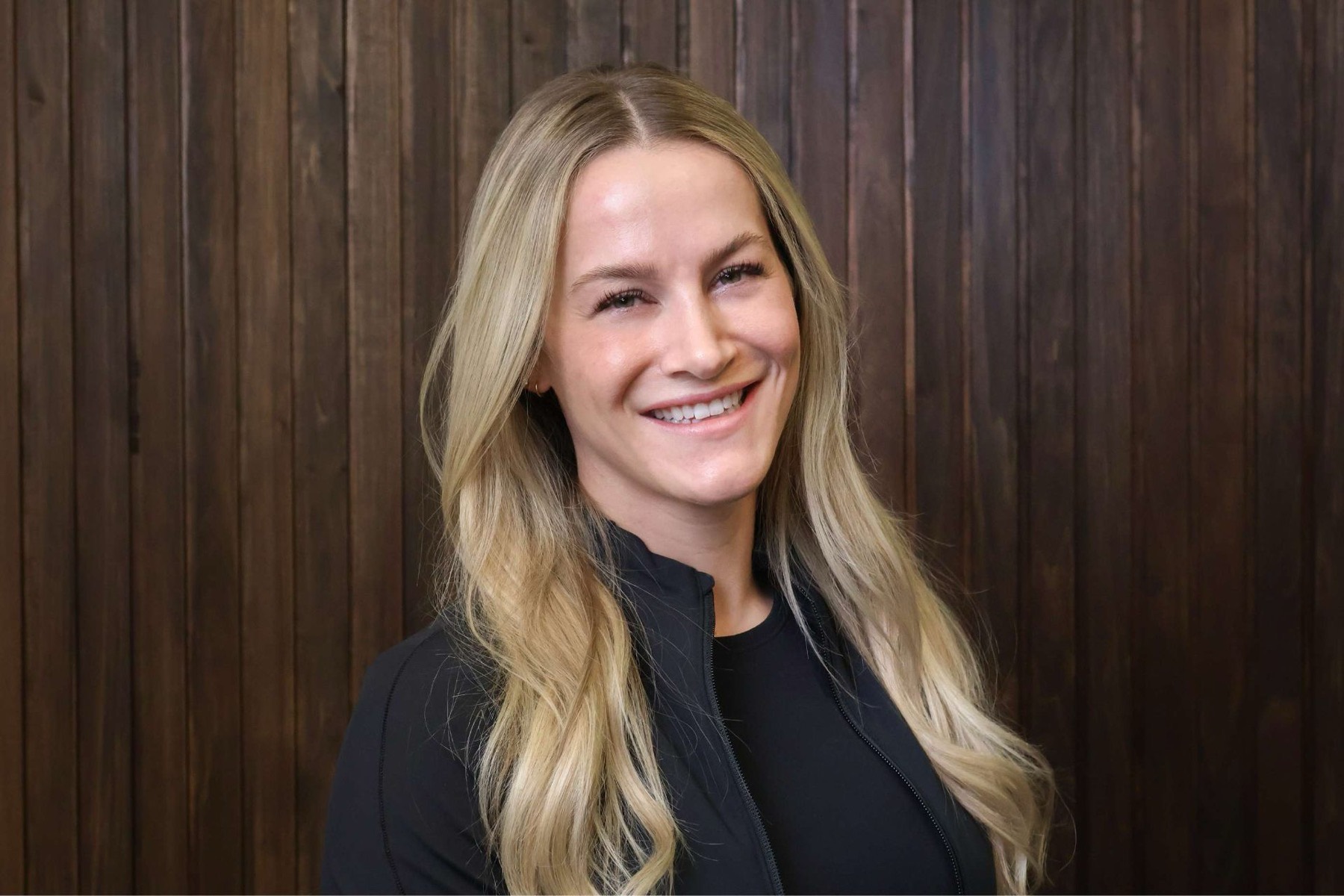
Dr. Melissa Clark
Physician
Residency in endocrinology. Her clinical focus includes menopause, thyroid disorders, PCOS and low testosterone.

Dr. Brendan McCarthy
Founder & Chief Medical Officer
Licensed Naturopathic Medical Doctor, recognized for his work in hormone replacement therapy, and author of Jump Off The Mood Swing.
Get started
Talk with a Protea physician about perimenopause or menopause.
Tell us what's changed, and a care coordinator will contact you to schedule your first appointment. New here? See what to expect.
From the library
Read and listen before your visit
This content is for education and is not medical advice. It does not replace an evaluation with a licensed provider, and no one should start, stop or change a medication on its basis.
Questions
Menopause treatment questions
What is the difference between perimenopause and menopause?
Perimenopause is the transition: ovulation becomes less consistent and progesterone falls, often years before the last period. Menopause is when periods have stopped for good, and estrone becomes the dominant estrogen.
Do I need labs if my hormones fluctuate in perimenopause?
At Protea, yes, before hormones are prescribed. Hormones do fluctuate in perimenopause, but labs still give useful information, and they are how a plan is checked once you start. Repeat testing is timed to how your hormone is given.
Is menopause hormone therapy safe?
The answer depends on which hormone, by which route, for whom, and how it is monitored. The 2002 Women's Health Initiative findings were real for one synthetic estrogen and a synthetic progestin taken as pills, and they were later applied far more broadly than that data supported. Your physician will review your own history and risks with you.
I only have vaginal dryness or repeat UTIs. Do I need full hormone therapy?
Not necessarily. Local vaginal estrogen acts on the tissue where it is placed, and for urinary infections that keep returning after menopause it has trial evidence behind it. It is not expected to support bone, so your physician may still discuss bone health separately.
Can I stop my hormones because of something I read online?
Please do not change anything on your own. Starting, stopping, raising, lowering or switching a hormone are decisions to make with a physician who knows your history. Write the concern down and call your care team; you do not have to wait for your next visit.
Where is Protea, and do you see patients outside Tempe?
Protea Medical Center is at 850 W. Elliot Rd., Suite 101, in south Tempe near I-10. Many patients come from Chandler, Ahwatukee, Gilbert, Mesa and Phoenix.
Ready to learn more about becoming a patient?
Our team can answer questions about menopause and perimenopause care, explain what to expect, and help you determine the appropriate next step.
Still exploring? Visit our educational library.