
Metabolic & micronutrient panels
Comprehensive panels that look at micronutrient levels and metabolic markers.
Labs & diagnostics
Lab work can help answer specific questions about your health, and it is part of how hormone therapy is prescribed and monitored at Protea. Your physician recommends testing when it is likely to inform your care, and explains what the results can and can't tell you.
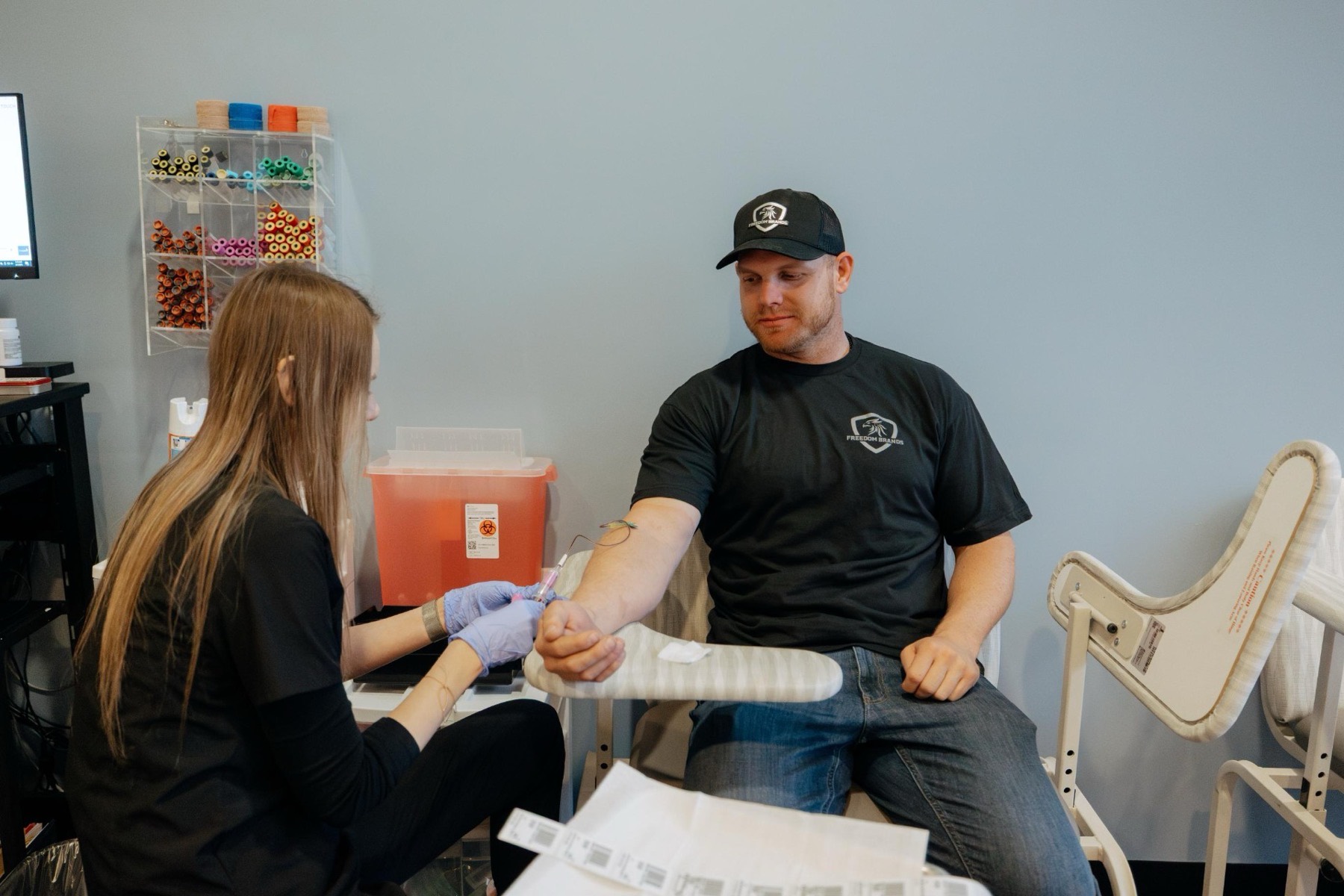
When testing helps
Testing is one part of a medical evaluation, alongside your history, symptoms and exam. Not every patient or treatment calls for extensive labs. When testing is useful, it generally plays these roles.
When a treatment such as hormone therapy is being considered, baseline labs show where your levels are before anything changes.
Results are read alongside your history, exam and how you feel. A single value is one piece of information, and a normal result does not always explain symptoms.
For treatments that need monitoring, follow-up labs help your physician see how you are responding and adjust the plan if needed.
Functional diagnostics
A standard lab panel covers a defined set of markers. When your history suggests it, your physician may recommend additional testing that looks at micronutrient levels, metabolic markers, food sensitivities, gut health or genetic predispositions.
For concerns such as persistent fatigue or digestive problems, these tests can add useful information. They don't always explain symptoms, so your physician will talk through what a test can show before you decide.

Available testing
Your physician recommends tests based on the questions in your care. These are the categories of testing Protea uses most often.
Comprehensive panels that look at micronutrient levels and metabolic markers.
Testing for gut health and food sensitivities when digestive symptoms are part of the picture.
Testing for genetic predispositions, which may help you and your physician understand long-term risk.
Baseline labs before hormone therapy is prescribed and follow-up labs to monitor it, along with thyroid testing when indicated.
Learn moreOur nutrition team uses the InBody scale and metabolic testing to support personalized nutrition plans.
Learn moreAt a glance
A quick guide to what each kind of testing looks at and where it fits in your care.
| Testing | What it looks at | Where it fits |
|---|---|---|
| Metabolic & micronutrient | Micronutrient levels, metabolic markers | Metabolic health, nutrition plans |
| Gut health & food sensitivity | Gut health, food sensitivities | Digestive concerns |
| Genetic & epigenetic | Genetic predispositions | Understanding long-term risk |
| Hormone & thyroid | Which hormones are present, how much is free and usable, downstream metabolites | Hormone therapy, thyroid care, follow-up dosing |
| Body composition (InBody) | Body composition, metabolism | Nutrition and weight plans |
Our approach to testing
For monitoring hormones over time, the panels that matter are usually standard ones. What matters more is ordering them at sensible intervals and reviewing the results carefully with you.
Specialty testing, such as gut or genetic panels, can be useful when it may answer a specific question in your care, and your physician will explain the reasoning before ordering it. Why monitoring is part of consent
Our laboratory team
Melissa brings over 11 years of experience in the medical field to her role as Laboratory Lead at Protea Medical Center. She holds a Medical Assistant certification from Concord Career College and has built her expertise across urgent care and family care settings, with a focus on phlebotomy and laboratory operations.
From the Protea Library
Podcast episodes and papers on reading lab results, testing before hormone therapy, and what a single number can and can't tell you.
Questions
Depending on your needs, your physician may recommend comprehensive metabolic and micronutrient panels, gut health and food sensitivity testing, genetic and epigenetic testing, hormone and thyroid labs, or the body composition and metabolic testing our nutrition team uses.
It depends on the treatment. Hormone therapy at Protea is prescribed and monitored with lab work, so baseline labs come first. For other concerns, your physician will discuss whether testing would help, based on your history, symptoms and exam.
For treatments that need monitoring, such as hormone therapy, follow-up labs show how your body is responding. Some changes, like a gradual rise in a downstream hormone, may not cause noticeable symptoms, so re-testing gives your physician the chance to adjust the dose or the plan.
This is a common reason people come to Protea. Normal results don't always match how someone feels. Your physician will review your results alongside your history and symptoms and may suggest further evaluation. Testing doesn't always point to a single cause, but it can help narrow down what is and isn't likely to be involved.
Yes. Please gather any recent lab work and medical records and bring them to your first appointment. Your physician may then recommend specific tests to fill in the gaps.
Not necessarily. For hormone monitoring, the panels that matter are usually standard ones. Specialty testing such as gut or genetic panels is recommended when it may answer a specific question in your care.
Our team can answer questions about lab testing, explain what to expect, and help you determine the appropriate next step.
Still exploring? Visit our educational library.